Human-Machine Interfaces (HMI) Enabling Industrial transformation

Monitoring machine wear HMI

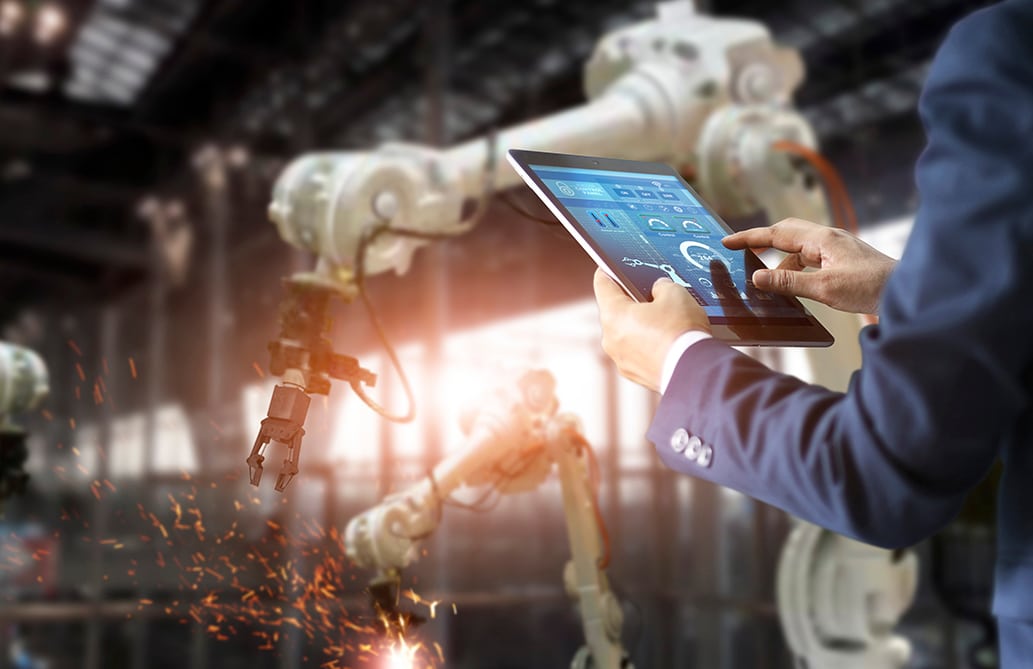
Human-Machine Interfaces (HMI) are essential to the transformation of the industrial landscape, especially in the context of Industry 4.0. This new paradigm focuses on automation, data exchange, and smart manufacturing, positioning HMIs as vital touchpoints between operators and machines. Modern HMIs enable real-time monitoring and control of production processes, allowing operators to visualize complex data, make informed decisions, and streamline workflows. As industries undergo digital transformation, the demand for intuitive and responsive HMIs becomes critical for maximizing productivity and reducing downtime.

A significant trend in HMI development is the integration of advanced technologies like augmented reality (AR) and virtual reality (VR). These technologies enhance user experiences by offering immersive visualizations of machinery and processes. For example, AR can overlay important operational data directly onto physical equipment, helping operators quickly identify issues and perform maintenance with greater accuracy. This not only simplifies troubleshooting but also reduces the training time for new employees, who can engage with a digital twin of the system. Such innovations highlight the potential of HMIs to boost operational efficiency while ensuring safety and precision in industrial settings.

Another important trend in HMI design is the growing emphasis on data analytics and connectivity. As industrial systems become increasingly interconnected through the Internet of Things (IoT), HMIs are evolving to present actionable insights derived from the extensive data generated on the shop floor. This functionality allows operators to monitor performance metrics, detect anomalies, and anticipate equipment failures before they happen. By leveraging data analytics, organizations can transition from reactive to predictive maintenance strategies, significantly lowering operational costs and enhancing system reliability. This proactive approach demonstrates how contemporary HMIs are critical to the success of smart manufacturing initiatives.

Moreover, the customization and scalability of HMIs are vital for meeting the diverse requirements of various industries. Sectors such as automotive and pharmaceuticals demand tailored HMI solutions that align with their specific operational needs. The flexibility of modern HMI systems enables manufacturers to adapt their interfaces as production processes change or new technologies are adopted. This adaptability not only boosts user satisfaction but also helps organizations maintain competitiveness in a fast-evolving market. By emphasizing user-centric design and scalability, HMIs are becoming indispensable tools in advancing Industry 4.0 initiatives.

NXP i.MX 8M family of applications processors based on Arm® Cortex®-A53 and Cortex-M4 cores capabilities include advanced audio, voice and video processing for industrial applications. Its HMI oriented features include: Video quality with full 4K UltraHD resolution and HDR (HDR10 and HLG), pro audio fidelity with more than 20 audio channels each @384KHz and DSD512 audio capability. SolidRun, a global embedded develop and manufacturer leader, supports simplified development and deployment for Industrial HMI by offering i.MX8M Mini System on Module, HummingBoard i.MX8M IIoT SBC and IIOT-200-8M Gateway.

Never Miss an Update

Other News

Embedded Solutions for Security and Defense
Industrial Automation Solutions Enabling Intelligence at the Edge1
Renesas SoMs Edge AI RZG2L
Thank you for your message. It has been sent.
Skip to content