To Conclude
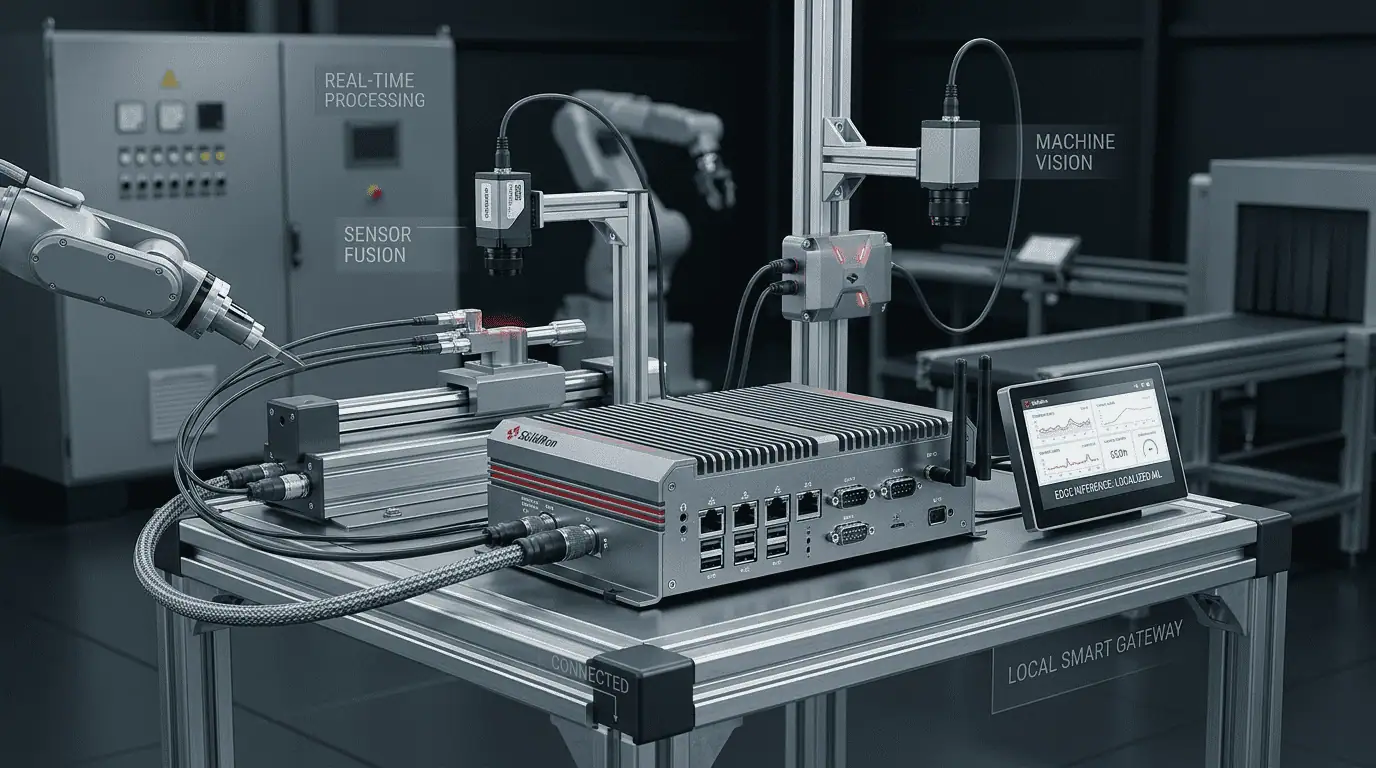
Physical AI and Edge AI are often discussed together because they frequently coexist, but they describe different dimensions of the same system: Physical AI is about what the AI does—perceiving, reasoning, and acting in the real world through sensors and actuators—while Edge AI is about where the AI runs, with intelligence executed locally on devices rather than in the cloud to meet strict requirements for low latency, safety, reliability, privacy, and cost. In practice, this distinction matters most in real‑world, time‑critical domains such as autonomous vehicles, robotics, manufacturing, healthcare, and smart infrastructure, where physical interaction demands millisecond‑level responsiveness that cloud round‑trips cannot guarantee. As a result, Physical AI increasingly pulls intelligence toward the edge, with on‑device inference handling real‑time decisions, while the cloud remains essential for training, coordination, and long‑term optimization—making the two concepts “same same, but different,” and most powerful when deliberately combined.


 https://www.solid-run.com/wp-content/uploads/2026/10/SolidRun-and-Shikino-Press-Release.png
881
1786
Mona Ganem
https://solid-run.com/wp-content/uploads/2020/12/SolidRun-with-under-line-01-1-300x107.png
Mona Ganem2026-10-05 11:36:392026-10-05 11:36:39SolidRun and Shikino Advance Vision AI
https://www.solid-run.com/wp-content/uploads/2026/10/SolidRun-and-Shikino-Press-Release.png
881
1786
Mona Ganem
https://solid-run.com/wp-content/uploads/2020/12/SolidRun-with-under-line-01-1-300x107.png
Mona Ganem2026-10-05 11:36:392026-10-05 11:36:39SolidRun and Shikino Advance Vision AI